TOLA brings four clinically tested African botanical actives to a premium skincare shelf that has reused the same five molecules for a decade.
memo
3. Detailed Memo
TOLA
TOLA brings four clinically tested African botanical actives to a premium skincare shelf that has reused the same five molecules for a decade.

RoundSeries A
AskUSD 15M at USD 60M post-money
DateJanuary 2026
Cover
Cover
TOLA brings four clinically tested African botanical actives to a premium skincare shelf that has reused the same five molecules for a decade.
M 01 / 16
01 of 13
Problem
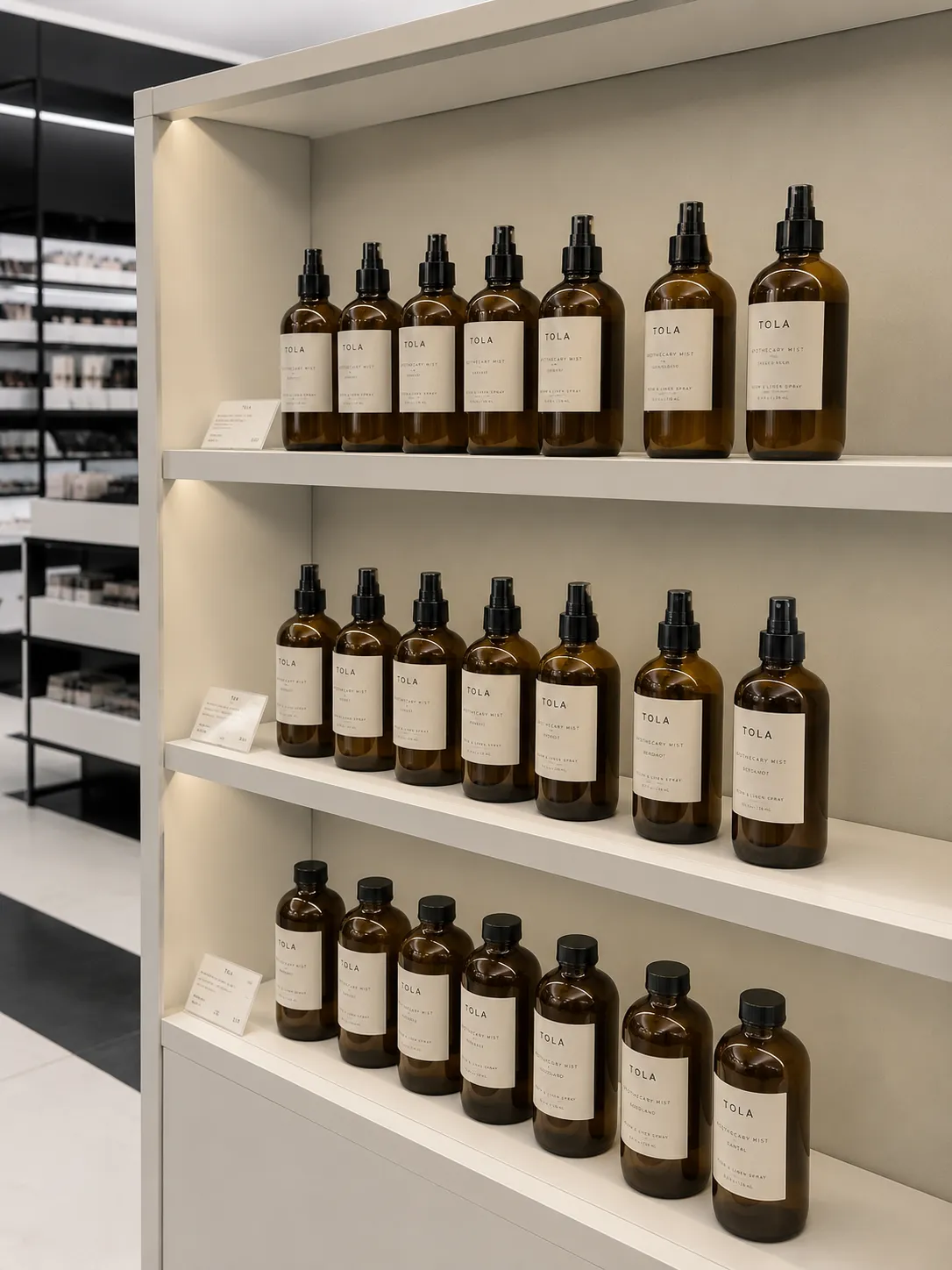
The premium skincare buyer has run out of new actives. 78% of 2024 prestige launches reused the same five molecules.
The premium skincare buyer has run out of new actives. 78% of 2024 prestige launches reused the same five molecules.
M 02 / 16
02 of 13
Solution
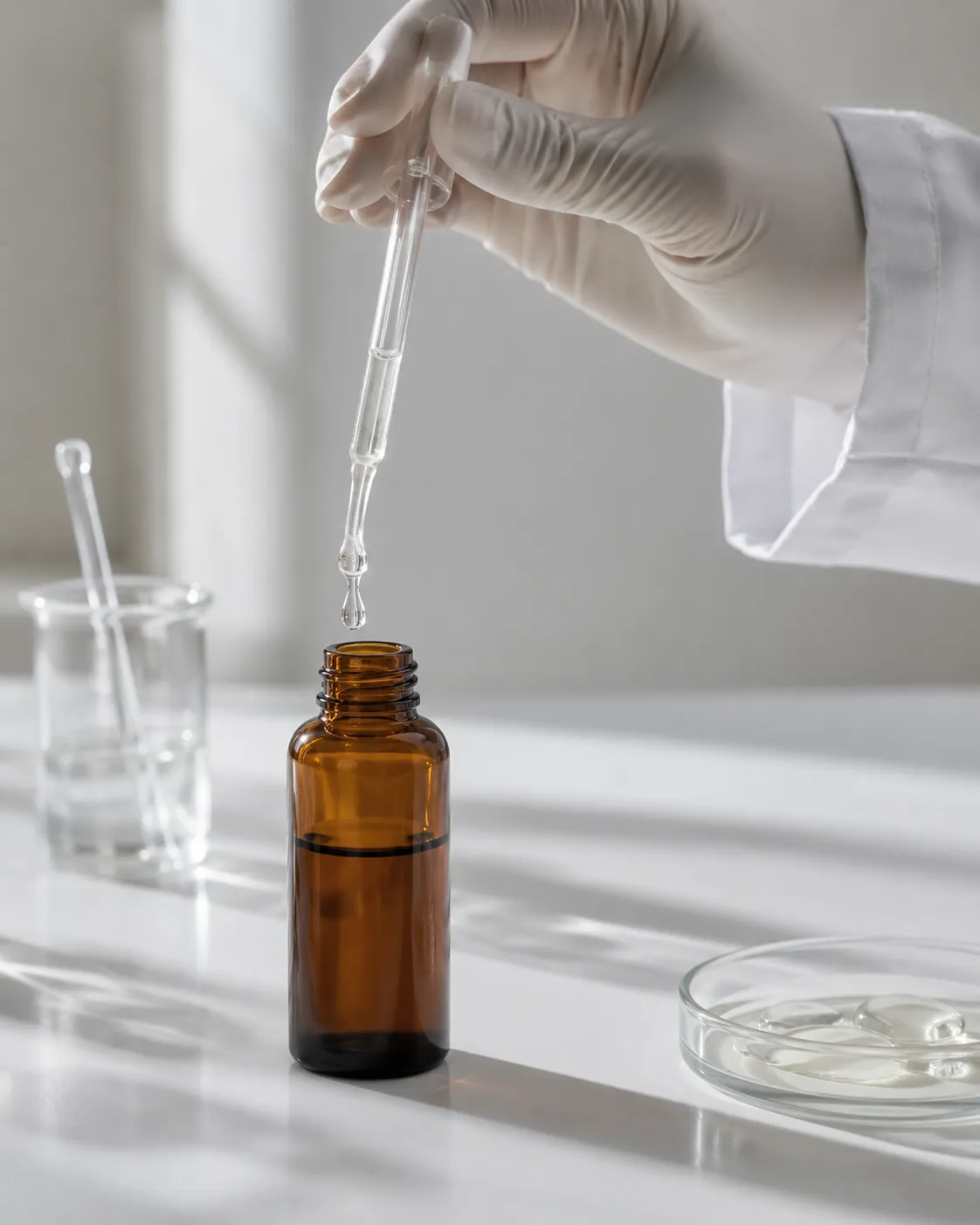
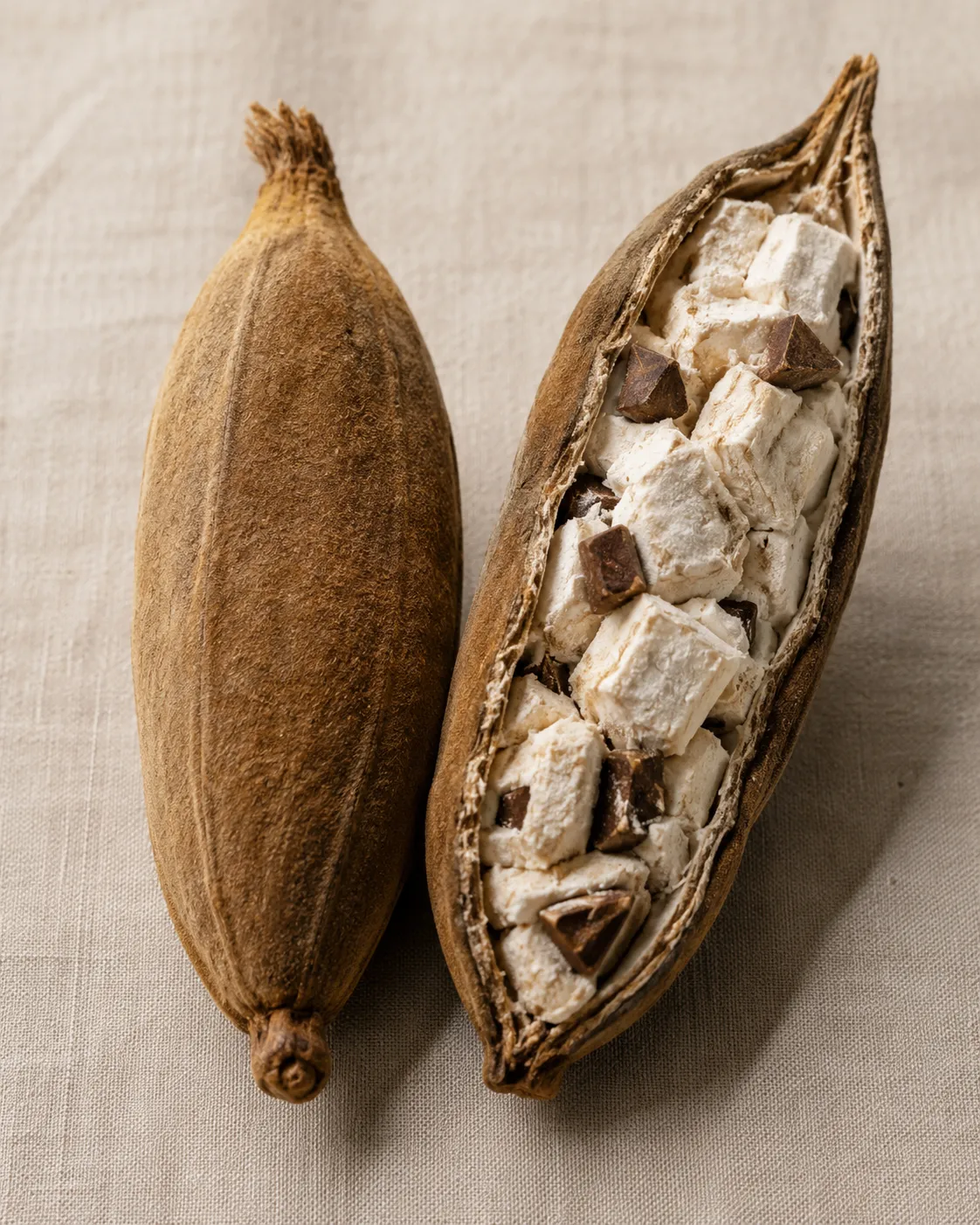
Four new molecules with real clinical proof at a premium price: marula, baobab, a Kalahari Vitamin C analog, and rooibos.
Four new molecules with real clinical proof at a premium price: marula, baobab, a Kalahari Vitamin C analog, and rooibos.
M 03 / 16
03 of 13
Product
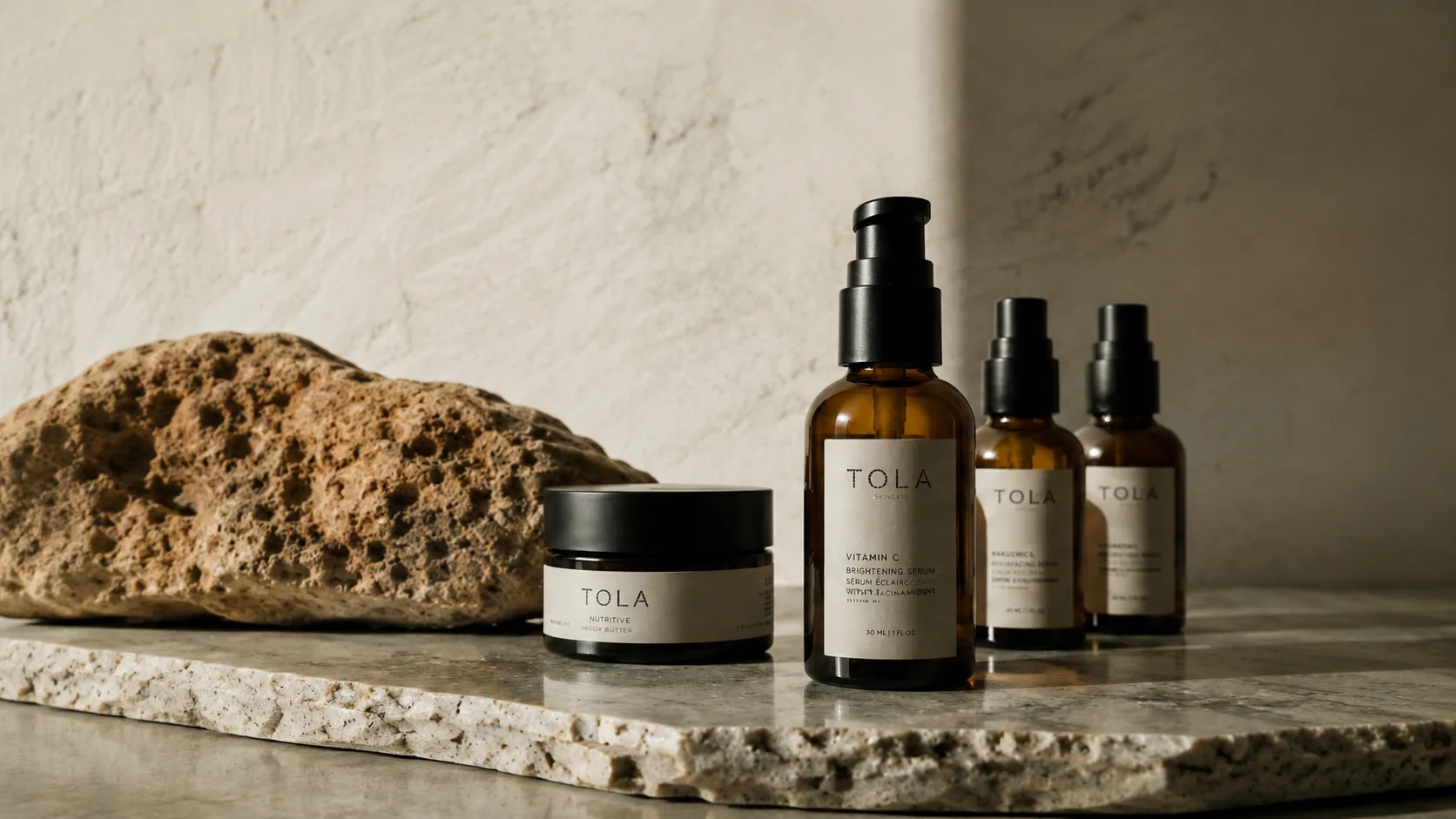
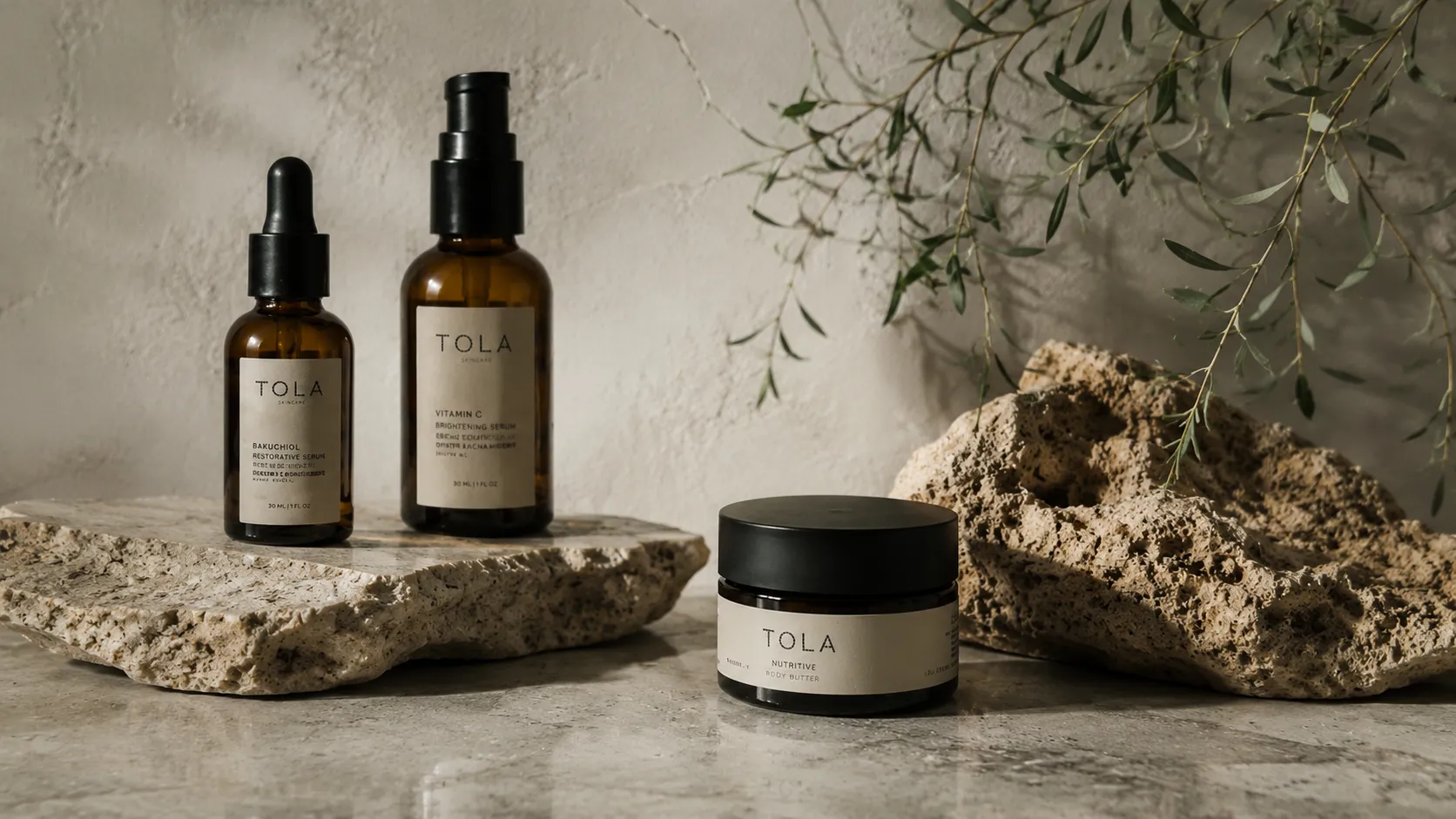
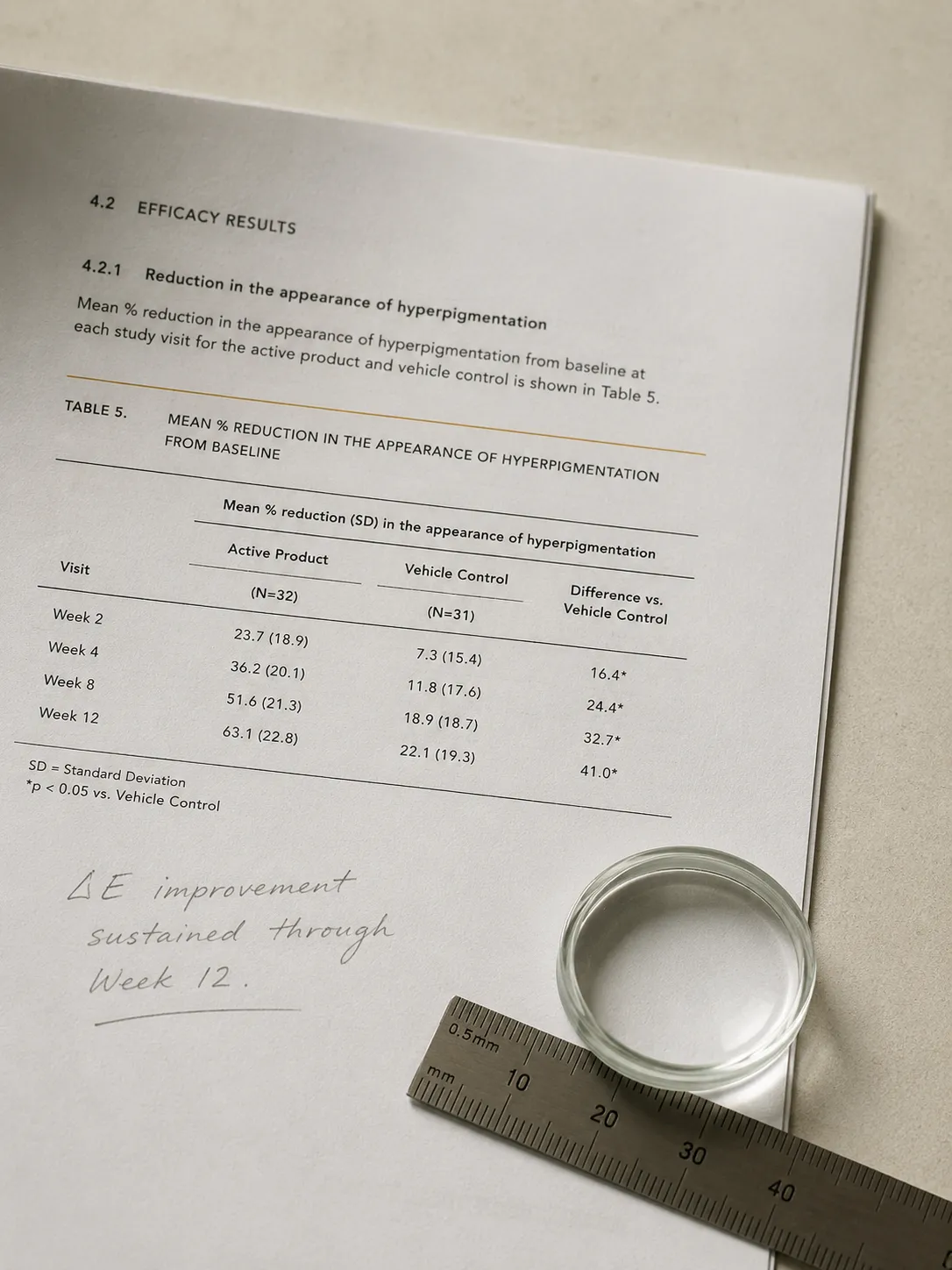
Four hero products from $42 to $94. Two carry completed third-party IRB clinical studies.
Four hero products from $42 to $94. Two carry completed third-party IRB clinical studies.
M 04 / 16
04 of 13
How it works
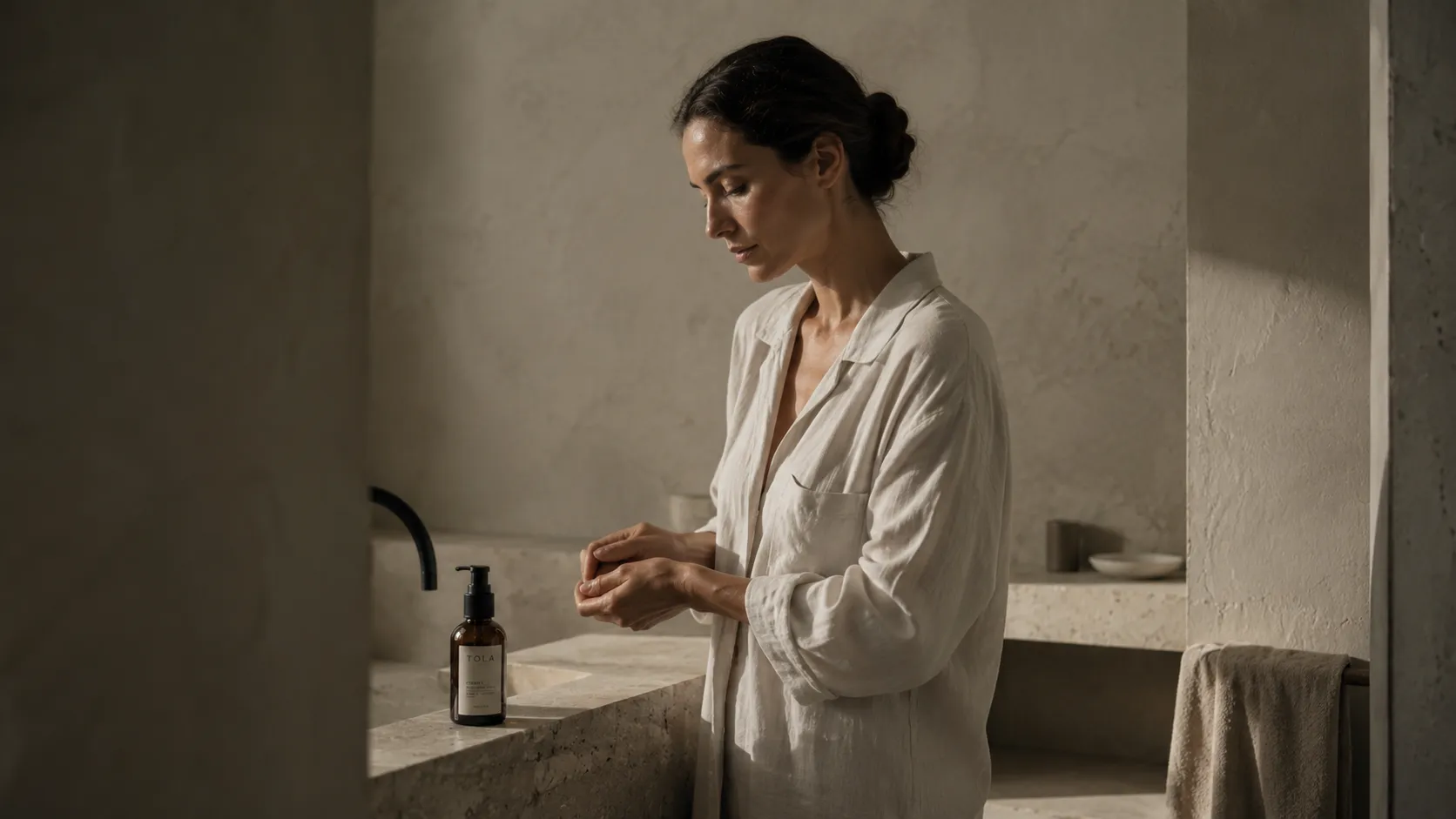
Two products in the morning, two at night, and an 8-week check the customer can measure.
Two products in the morning, two at night, and an 8-week check the customer can measure.
M 05 / 16
05 of 13
Value proposition
Clinical proof on a frontier ingredient at mid-prestige price. The one quadrant no competitor holds.
Clinical proof on a frontier ingredient at mid-prestige price. The one quadrant no competitor holds.
M 06 / 16
06 of 13
Features
Five features on the product itself: clinical proof on the carton, named sourcing, printed dose, one active per product, stack-compatible.
Five features on the product itself: clinical proof on the carton, named sourcing, printed dose, one active per product, stack-compatible.
M 07 / 16

07 of 13
Why now
Clinical-skincare search grew 71% year over year and Sephora is briefing vendors for a new active.
Clinical-skincare search grew 71% year over year and Sephora is briefing vendors for a new active.
M 08 / 16

08 of 13
Market
US premium skincare is $19.2B in 2025. The clinical slice is $4.8B and growing 14% a year.
US premium skincare is $19.2B in 2025. The clinical slice is $4.8B and growing 14% a year.
M 09 / 16
09 of 13
Business model
Sephora acquires the customer. tola.co keeps her at roughly double the margin.
Sephora acquires the customer. tola.co keeps her at roughly double the margin.
M 10 / 16

10 of 13
Go to market
The 50-door Sephora pilot sold 89% and contractually triggered the 450-door 2026 rollout.
The 50-door Sephora pilot sold 89% and contractually triggered the 450-door 2026 rollout.
M 11 / 16

11 of 13
Team
Dr Maya Patel, ex-L'Oréal and Estée Lauder formulation lead. Sarah Chen, ex-Glossier and Drunk Elephant operator.
Dr Maya Patel, ex-L'Oréal and Estée Lauder formulation lead. Sarah Chen, ex-Glossier and Drunk Elephant operator.
M 12 / 16
12 of 13
Competitive advantage
Clinical proof, frontier ingredient, mid-prestige price, operator team. No competitor combines all four.
Clinical proof, frontier ingredient, mid-prestige price, operator team. No competitor combines all four.
M 13 / 16
13 of 13
Roadmap
2026 is the Sephora wave. 2028 is international scale. 2030 is self-funded at $13.75M revenue.
2026 is the Sephora wave. 2028 is international scale. 2030 is self-funded at $13.75M revenue.
M 14 / 16
Appendix
Forecast
The path reaches first profit in 2029 on $10.83M revenue and $2.82M operating profit.
The path reaches first profit in 2029 on $10.83M revenue and $2.82M operating profit.
M 15 / 16
The ask
Ask
Raising a $15M Series A at $60M post to fund the 450-door Sephora rollout, the second clinical study, and the international launch.
Raising a $15M Series A at $60M post to fund the 450-door Sephora rollout, the second clinical study, and the international launch.
M 16 / 16